
When I first stepped into wildlife photography, I realized quickly that choosing a camera wasn’t just about megapixels or fancy branding. Wildlife subjects move fast, stay far, and often hide in difficult lighting. So, in this guide, I’ll walk you through exactly how I evaluate a wildlife camera—what truly matters and what you can ignore. I’ll also answer a key question in each section to keep things practical.
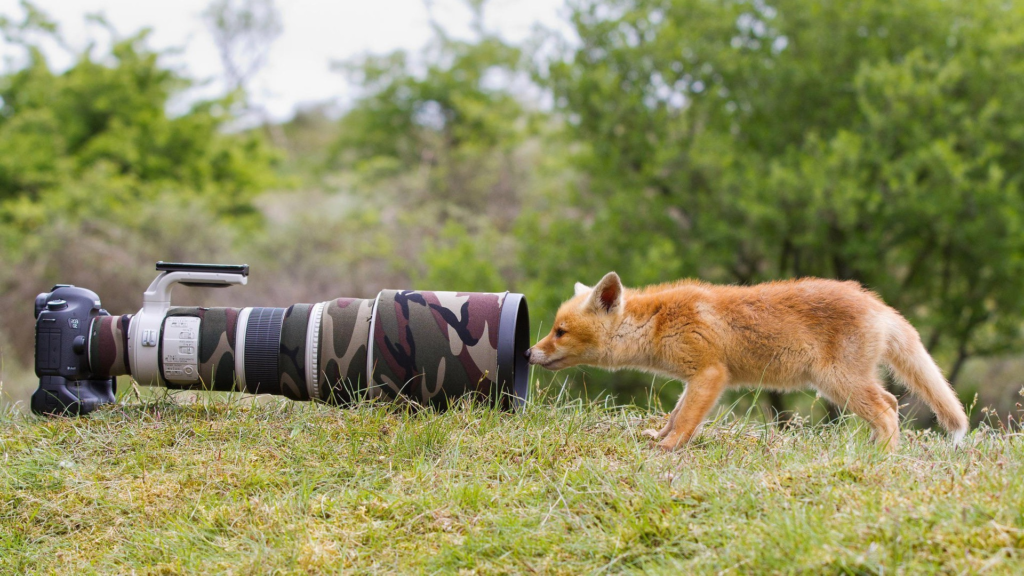
source: wallup.not
1. Start With the Right Sensor Type
Wildlife scenes usually involve distance, shadows, and unpredictable subjects. That’s why I lean toward cameras with APS-C or full-frame sensors. APS-C gives extra reach because of the crop factor, while full-frame gives better noise control. The choice depends on how close you can get to your subject and how often you shoot in dim conditions.
Q: Which sensor is better—APS-C or full-frame—for wildlife?
A: If your priority is reach, APS-C helps you crop without losing detail. If you shoot mostly in low light (early mornings, dense forests), full-frame handles noise better.
2. Look for Fast and Accurate Autofocus
Wildlife rarely waits. Birds change direction instantly, and animals sprint without warning. I personally check how many autofocus points the camera offers and how well it tracks moving subjects. A reliable AF system saves more shots than a high megapixel count ever will.
Q: What autofocus feature matters most in wildlife?
A: Continuous tracking (AI Servo/AF-C) is critical. If the camera can lock onto a moving subject and hold it, you’ll get far more usable images.
3. Consider the Burst Rate (FPS) Seriously
Even beginners benefit from a fast frame rate. I often shoot at 10–20 frames per second when photographing birds or fast mammals because a single second could include multiple wing positions or facial expressions.
Q: How much FPS is genuinely useful?
A: Anything above 10 fps feels practical. Below that, you’ll miss many peak-action moments, especially in birds or running animals.
4. Choose a Camera With Excellent ISO Performance
Wildlife photography often starts before sunrise or continues after sunset. I look for a camera that can push ISO to high levels without turning the image into a grainy mess. Clean high-ISO performance gives you freedom to use faster shutter speeds.
Q: What ISO range should I prioritize?
A: A camera that handles ISO 3200–6400 cleanly is ideal. If noise becomes noticeable earlier than that, low-light shooting will be frustrating.
5. Don’t Ignore the Lens Ecosystem
Even the best wildlife camera is limited without long lenses. I check if the system offers at least 300mm, 400mm, and 600mm options at different budgets. A camera body is temporary; lenses stay with you for years.
Q: Which lens length works best for wildlife?
A: 400mm is a realistic starting point. For birds, I prefer 500mm or 600mm because small subjects need more magnification.
6. Weather Sealing and Durability Matter More Than You Think
Wildlife shooting means dust, humidity, rain, and sudden temperature drops. I’ve learned that weather sealing is not a luxury—it prevents equipment failure in the field. A solid magnesium or reinforced polycarbonate body helps, too.
Q: Is weather sealing essential or optional?
A: If you shoot outdoors often, it’s essential. Without sealing, moisture or dust can damage your camera at the worst possible time.
7. Check the Viewfinder Experience
In wildlife photography, I rely heavily on the viewfinder. EVFs (electronic viewfinders) show exposure in real time, while OVFs (optical viewfinders) offer a natural, lag-free view. I choose based on the type of shooting I expect.
Q: EVF or OVF—what should I pick?
A: If you shoot fast subjects, OVF feels more natural and lag-free. If you rely on exposure previews, EVF gives more control.
8. Weight and Grip Affect Real-World Comfort
A lightweight camera might seem perfect until you mount a heavy lens. I always test how the camera feels in my hand with a telephoto lens attached. Comfort directly affects stability and your shooting duration.
Q: Should I prioritize lightweight bodies?
A: Not always. Balance matters more than weight. A heavier but well-balanced combo feels better than a light body with a front-heavy lens.
9. Battery Life Should Not Be Overlooked
Wildlife sessions are long, and charging points don’t exist in forests or wetlands. I always check the expected shot count per charge and whether the camera supports USB-C charging or external power banks.
Q: What is a practical battery life for wildlife?
A: Around 700–1,000 shots per charge keeps you safe for full-day trips.
10. Video Features Can Add Extra Value
Even if your main focus is photography, wildlife moments often look stunning in motion. I pick cameras that offer 4K video with decent autofocus and minimal crop.
Q: Do I need 4K for wildlife video?
A: Yes—4K gives you sharper details and more cropping flexibility when filming distant subjects.
Final Thoughts
Choosing a wildlife camera isn’t about chasing the latest model. It’s about matching the camera’s strengths to the real conditions you face outdoors. I always evaluate sensor performance, autofocus, lens options, build quality, and comfort before making any decision. Once you match these elements to your shooting style, wildlife photography becomes far more enjoyable and rewarding.